
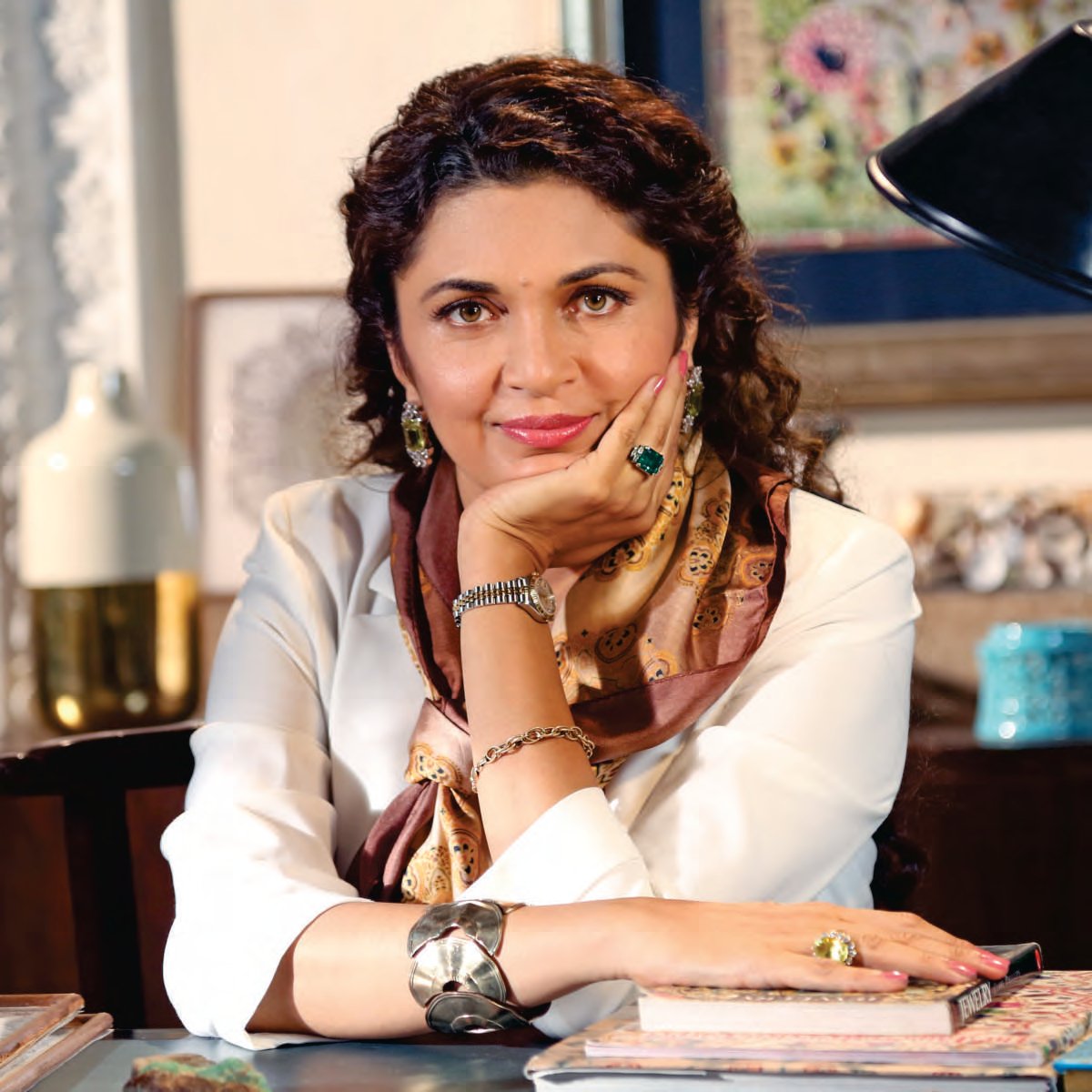
WHO I AM
THE THREAD RUNS BOTH WAYS
Some inherit fortunes. I inherited a contradiction.
I am the ninth generation of a lineage that believes in building bridges.
I am the daughter of a Hindu master, a creative genius who spent twenty-five years creating a tribute to the Holy Ka’aba Sharif.
I am a strategist trained in New York to decode the language of global power. Cartier created for the Kings. Fabergé created for the Czar.
My father created for the Divine.
At Davos, we speak of "Dialogue." But dialogue can be illusory. Real connection requires devotion.
It requires the patience of the Manganiyars—Muslim musicians who have sung Hindu prayers in the Rajasthan desert for over 500 years.
It requires the audacity of a Hindu jeweller weaving the name of Allah in diamonds.
I am not here to decorate the world. I am here to bring back wonder.
"I don't curate objects. I curate collisions."
The short version: Cultural strategist. Heritage disruptor. Ninth-generation guardian of the P.C. Lunia Sacred Jewel Art Collection. Speaker at Davos. Founder of movements. Trained at Parsons. Apprenticed for twenty years under a master called "The Fabergé of the East." Independent Director at Praxis Home Retail. Builder of bridges in a world obsessed with walls.
The real version: I grew up watching my father weave diamonds into silk. I learned that the most radical act isn't rebellion, it's devotion. I spent two decades mastering techniques that predate the Industrial Revolution, then went to New York to understand how the modern world thinks. I came back with a dangerous idea: that heritage isn't something you protect. It's something you deploy.
Today I work at the intersection no one else occupies: where ancient craft meets contemporary strategy, where sacred art becomes soft power, where a family's 300-year obsession becomes a tool for global change.
I call it Creative Diplomacy. The world is starting to pay attention.
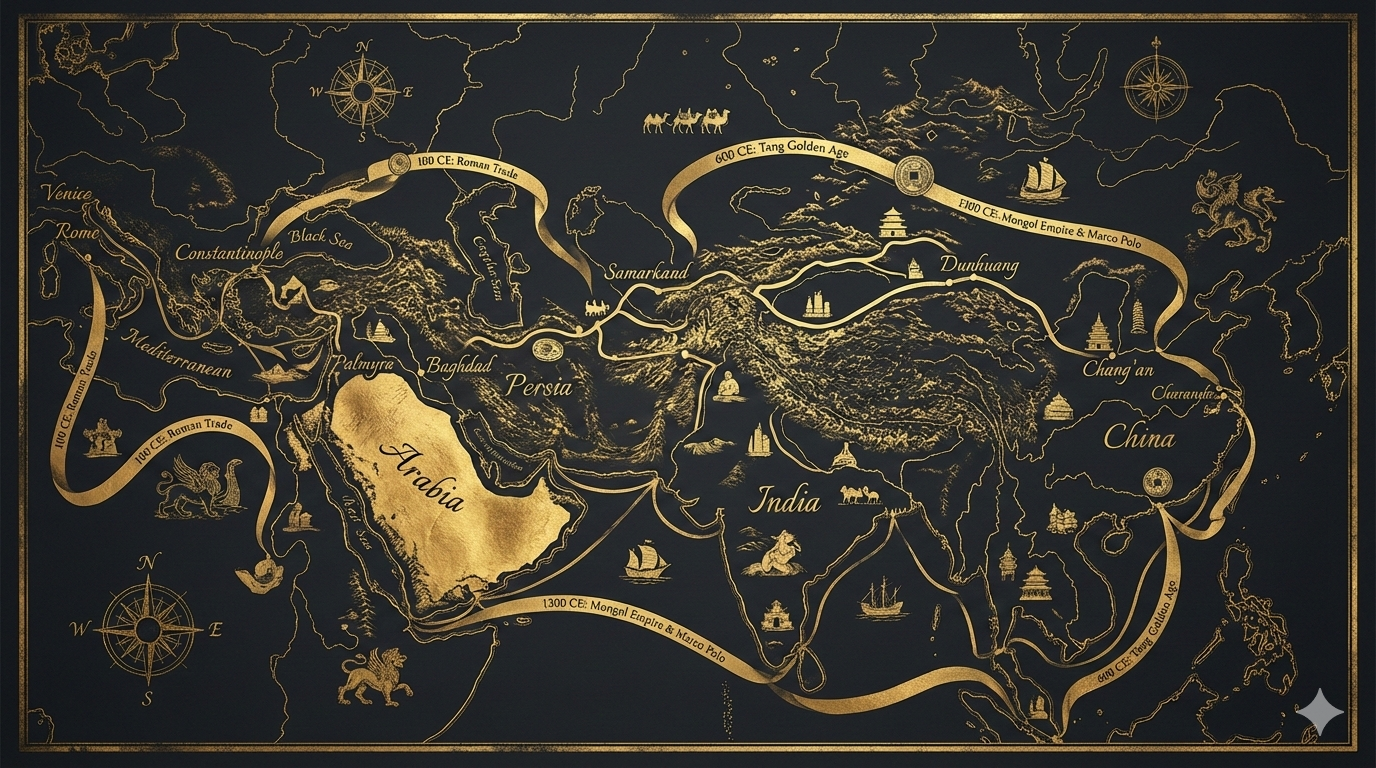
THE BLOOD IN THE STONES
"Nine generations. Three faiths. Zero boundaries."
Twelfth century. Multan. A boy named Luna Shah, son of the Prime Minister, is bitten by a snake. The Jain saint Jin Dutt Suri saves his life. In gratitude, the family converts. They take the name Lunia.
This is where it starts. Not with gemstones. With transformation.
Over four centuries, the Lunias migrated along the Silk Route. They settled in Jaipur under Maharaja Jai Singh II. They become jewellers to royalty. But something else happens—something the history books miss. They begin creating sacred art not just for their own traditions, but for all traditions: Hindu temples, Jain shrines, and Islamic holy sites.
A Hindu-Jain family spending 300 years devoted to Islamic sacred art. In today's world, this shouldn't exist. But we do. And that's exactly the point.
We are living proof that the walls between us are newer than the bridges.
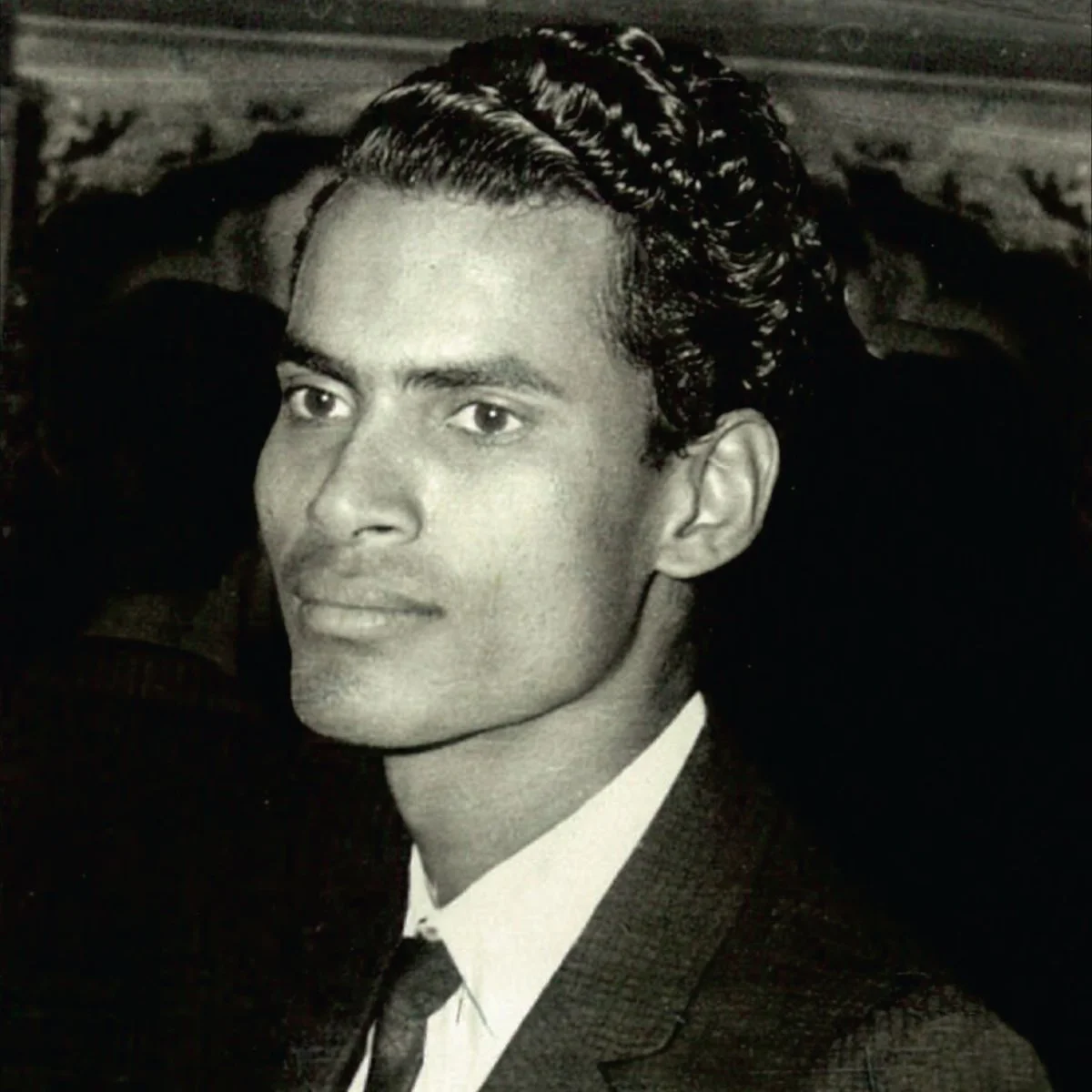
P.C. LUNIA
"The Fabergé of the East"
My father didn't just inherit a tradition. He reinvented it.
His innovation: bejewelled textiles, a technique that shouldn't be possible. Precious gemstones woven directly into silk. Not sewn. Not glued. Woven. The result: works that contain tens of thousands of carats yet drape like fabric. Jewellery you can fold. Treasure that breathes.
His masterwork is the Kaaba Sharif Jewel Tapestry: 70,000 carats of emeralds, rubies, sapphires, and diamonds creating a tribute to Islam's holiest site, made by a non-Muslim family, as an act of pure devotion.
It has never been publicly shown. Until now, that is.
"We are not decorators. We are devotees who happen to work with gems."
— P.C. Lunia